
Some Gulf Coast trips stay close to the grass lines and creek mouths. Offshore charters in Florida’s Big Bend push well past that boundary. These runs are designed for groups who want to cover real distance, settle into open-water structure, and work deeper habitat where grouper, snapper, sea bass, and other Gulf species stack up.
These offshore fishing charters in North Florida are a bigger scope of fishing, shaped around longer days, experienced guides, and the kind of water that takes time to reach. The draw is simple: you’re fishing bottom that rarely gets touched, working ledges and limestone breaks that reward good technique, and seeing how the Gulf behaves far past the familiar flats.
For intrepid fishermen who like covering serious ground, reading new bottom, and working structure most people never see, these trips can provide a level of depth and variety you don’t get by staying near the grass lines.
Heading Out to the Big Bend’s Deeper Fishing Grounds
From the Econfina River area, the Gulf stays shallow for a very long distance. Instead of hitting a steep wall or canyon, you get a gradual, stretched-out slope that takes dozens of miles to reach deeper water. Because the slope is so gentle, the bottom out there wasn’t formed by dramatic geological events. It’s mostly ancient limestone/old seabed rock covered by varying degrees of sand.
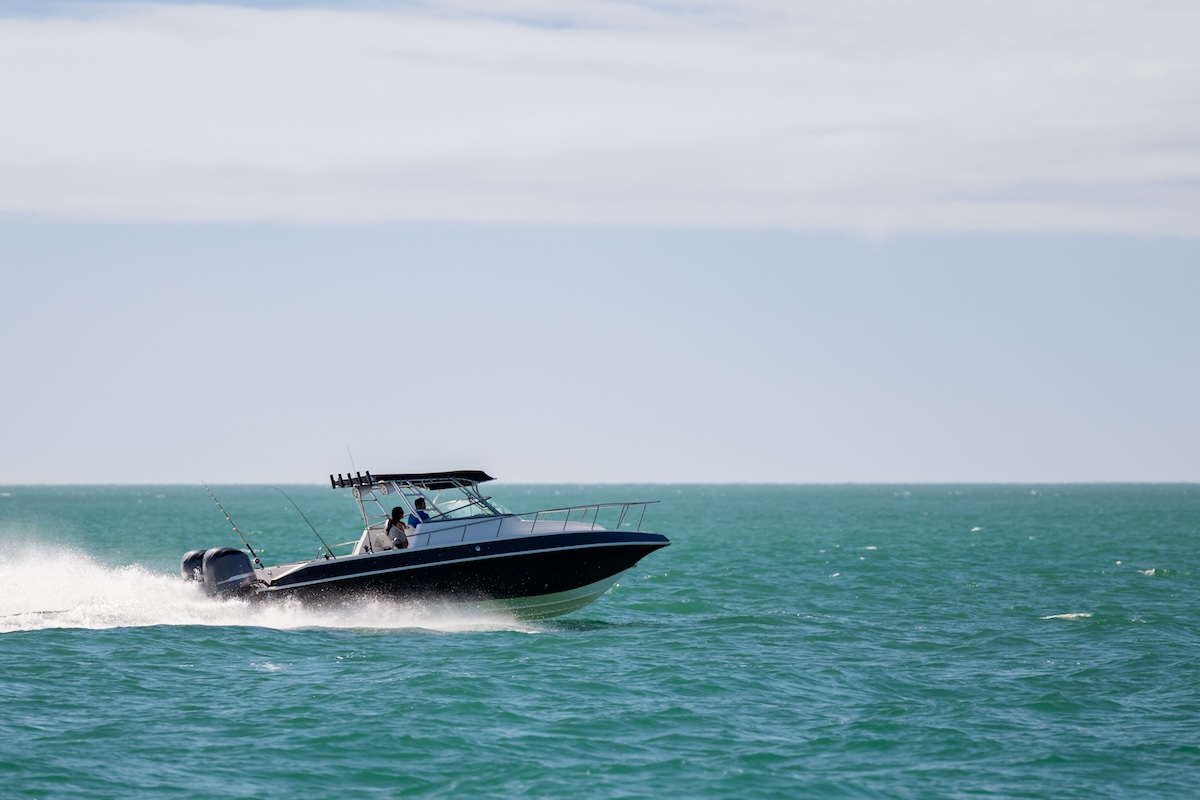
Launching from Steinhatchee, Perry, Lamont, St. Marks, or even Tallahassee-area access points, offshore trips usually point toward the reefs, ledges, and stretches of hard bottom scattered across the outer Gulf. Most crews follow a route built around the day’s conditions—weather, tide, target species, and how far they want to run—but the overall flow is familiar across the region. Boats load up early, ease out past the markers, and make a steady push offshore until the bottom profile starts to show the kind of structure worth stopping on.
Once out in deeper water, some captains start on a known ledge to get the first baits down quickly. Others might drift over scattered rock until the sounder shows a shape they like. Either way, the rotation usually involves a mix of bottom drops, controlled drifts, anchor sets when needed, and waypoint-to-waypoint adjustments until the fish start responding. These spots can be anything from a clean ledge drop to a broken patch of limestone or an isolated rise a few miles off the nearest contour line.
When the first stop produces, grouper often edge out from the structure and snapper lift through the column, creating steady action if the current cooperates. If a school slows down or the marks begin to thin out, the captain typically shifts to the next planned area. Offshore crews operate with enough waypoints, backup spots, and seasonal notes to keep the day moving, turning a wide stretch of Gulf into a series of workable segments instead of one continuous expanse.
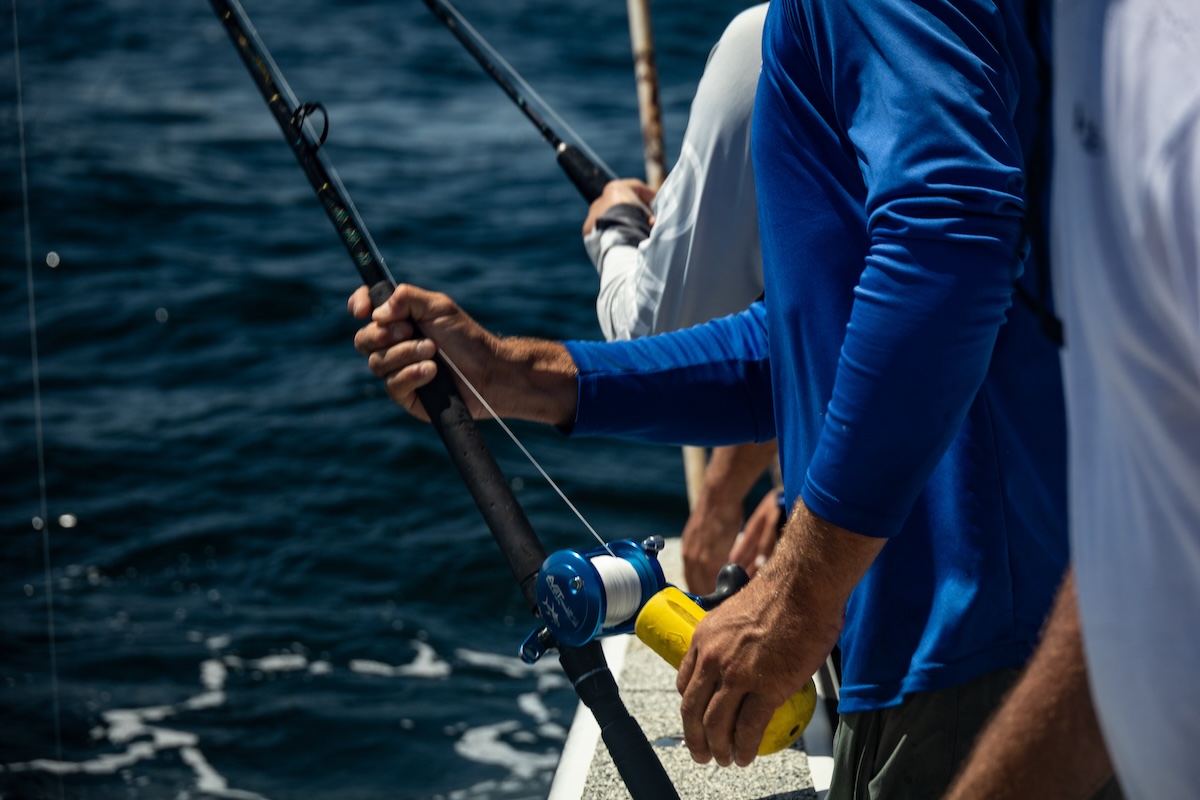
Offshore charters in this part of the Gulf of America work well for groups who want a shared day built around technique and teamwork. Larger rod setups, heavier tackle, and deeper drops demand more coordination than inshore trips. More experienced fishermen tend to enjoy this style of fishing because it rewards good form, patience, and the willingness to work a spot until the pattern shows itself.
At the same time, groups who want a single, memorable day together often lean offshore because the format fits bigger outings: family groups, corporate outings, and multi-boat gatherings from the Tallahassee and Perry area.
The Big Bend Offshore Bottom
The Big Bend offshore belt covers a wide stretch of Gulf bottom that slopes out slowly from Steinhatchee, Perry, St. Marks, Econfina, and the surrounding coastline. Once boats push past the shallow nearshore flats, the bottom begins to shift into a mix of limestone and scattered rock that gives this area its character. It’s not the continuous reef country you find farther south, and it’s not the steep drop-off found on Florida’s west-central coast. Instead, the Big Bend is defined by irregular, patchy structure spread out over miles of open water.
Much of the bottom starts as low-relief limestone shelves that break into potholes and small craters. Fishermen often describe it as “swiss-cheese rock” — uneven, porous, and full of pockets where bait and predators gather. These features don’t always rise dramatically on the sounder, but they create the kind of subtle terrain that grouper and snapper rely on. A ledge might only sit a few feet above the surrounding bottom, but it’s enough to break current and hold fish consistently.
Patch reefs appear in certain zones, especially farther out from Steinhatchee and Perry. These aren’t large coral structures; they’re clusters of hard bottom, sponges, scattered rock, and small relief areas that draw bait. Lanes, vermilions, and other snapper species often show up here, along with grunts, tomtates, and the lighter bottom fish that keep rods moving between the main drops.
Sand transitions play a bigger role in the Big Bend than many first-time offshore visitors expect. Because the slope is so gradual, large sections of sand run between broken hard-bottom features. These sandy stretches aren’t dead water, they’re part of the system. Sea bass, porgies, and smaller mixed species often hold on scattered shell or low rubble along these edges, and captains use these zones as “connector stops” while moving between more defined pieces of structure.
The isolated ledges are the real anchors of this region’s offshore fishing. Some are documented; many have been marked only through years of running lines and logging waypoints. They can be long, straight breaks or short jagged pieces surrounded by nothing but flat bottom. They’re the kind of spots where experienced captains idle over the area slowly, watching for the small rises on the sonar that indicate a ledge worth dropping on.
There are artificial reefs scattered offshore of Steinhatchee, Perry, and St. Marks, but they’re spaced widely and tend to fish like the natural hard bottom around them. Many captains use them as part of a broader offshore route rather than as the sole focus of the day.
The geography here forces offshore crews to fish a little differently. Instead of tying into a single large reef system, they work through a network of these scattered features—shelf edges, potholes, patch reefs, sand breaks, and isolated rock. The varied bottom produces a steady mix of grouper, snapper, sea bass, and all the incidental species that fill out Big Bend offshore fishing trips.
Targeting Gulf Species With Structure-Driven Tactics
Out in the true offshore water of the Big Bend/Steinhatchee/Perry/Econfina zone, the list shifts a lot compared to what you see inshore. Most experienced fishermen in this part of Florida already know how the species shift once you reach deeper Gulf bottom, but it’s useful for others to have a clear picture of what typical offshore water holds.
Once fishing charter boats reach the deeper hard bottom and scattered structure farther off the coast, the species mix generally changes to fish that spend more time on ledges, reefs, and open-water transitions. The inshore staples fade out, and the patterns start to reflect the broader Gulf—fish that respond to depth, current, and the type of bottom beneath the boat rather than grass lines or tidal creek movement.
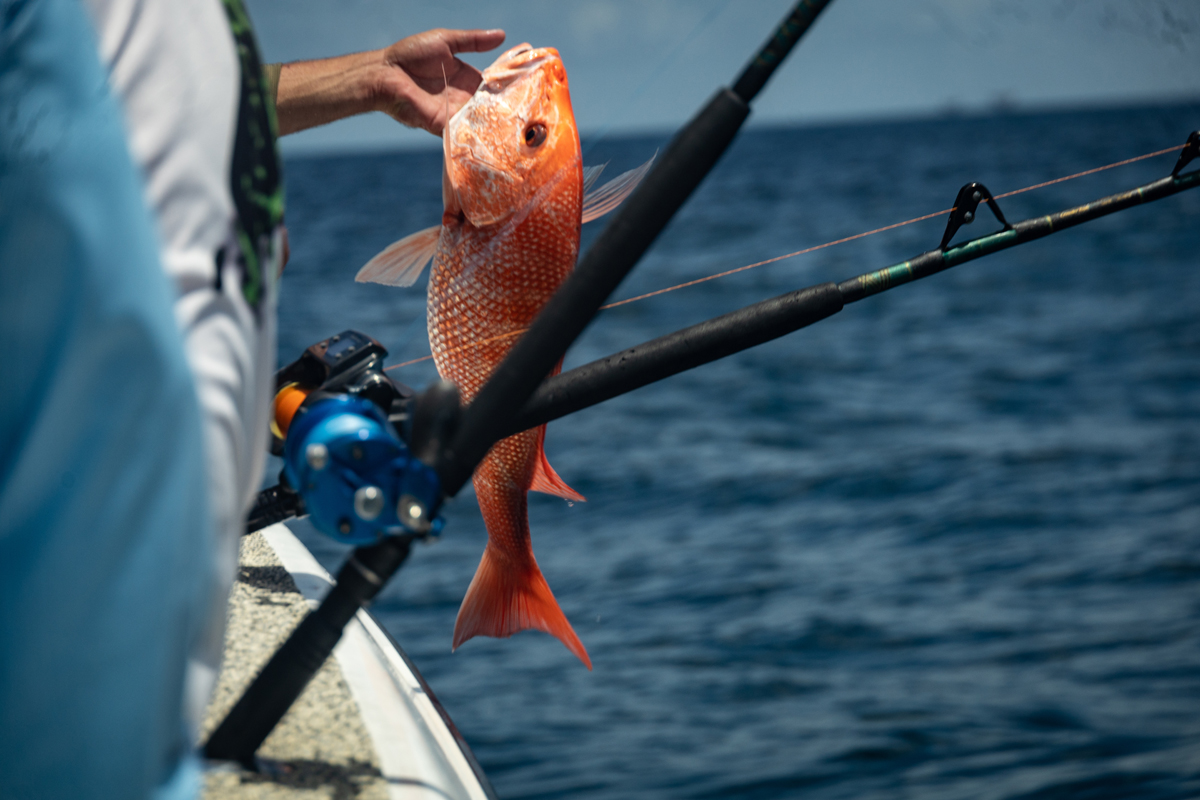
- Grouper stay tight to the structure scattered across this part of the Gulf—rock ledges, limestone shelves, potholes, and the broken edges where hard bottom meets sand. The Big Bend has miles of this mixed terrain once you get far enough offshore, and the fish use every contour. A clean drop that reaches the bottom without swinging in the current is usually the first step, because grouper won’t move far for a bait. They sit in their holes, ease out when something gets close, and go right back in when pressured.
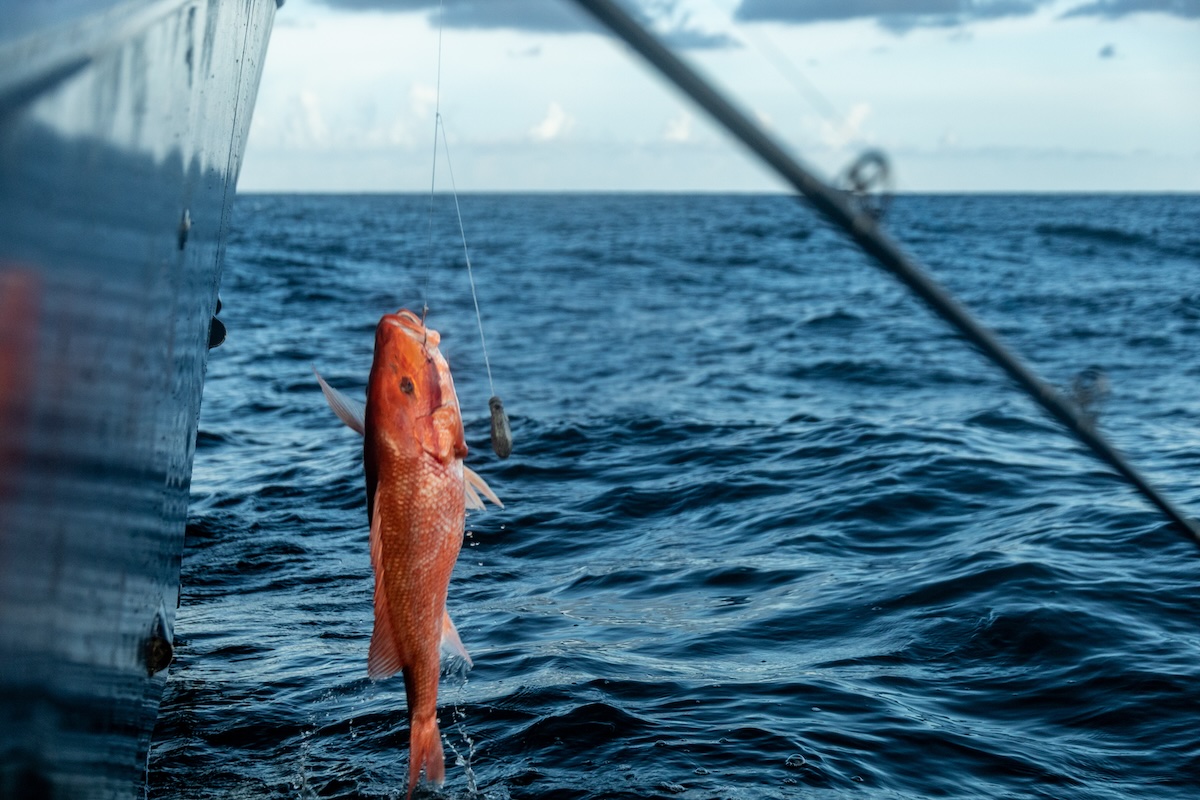
- Snapper work a different layer of the water. They rise and fall over the same structure but sit higher in the column, especially when the current runs steady. They react to baits that fall naturally and stay in the strike zone. Controlled presentation matters—steady lift, steady drop, no big sweeps that take the bait out of the column. When the school gets active, the sounder shows it clearly with streaks rising off the bottom.
- Sea bass and the rest of the mixed bottom species come in when the boat moves onto lighter bottom. Patches of sand, broken shell, and smaller rock outcroppings around the Steinhatchee and Perry offshore grounds often hold these fish in good numbers. They fill the gaps between the primary targets and keep the rods bending while the captain lines up the next ledge or deeper section of bottom.
Other species you can run into offshore in this region:
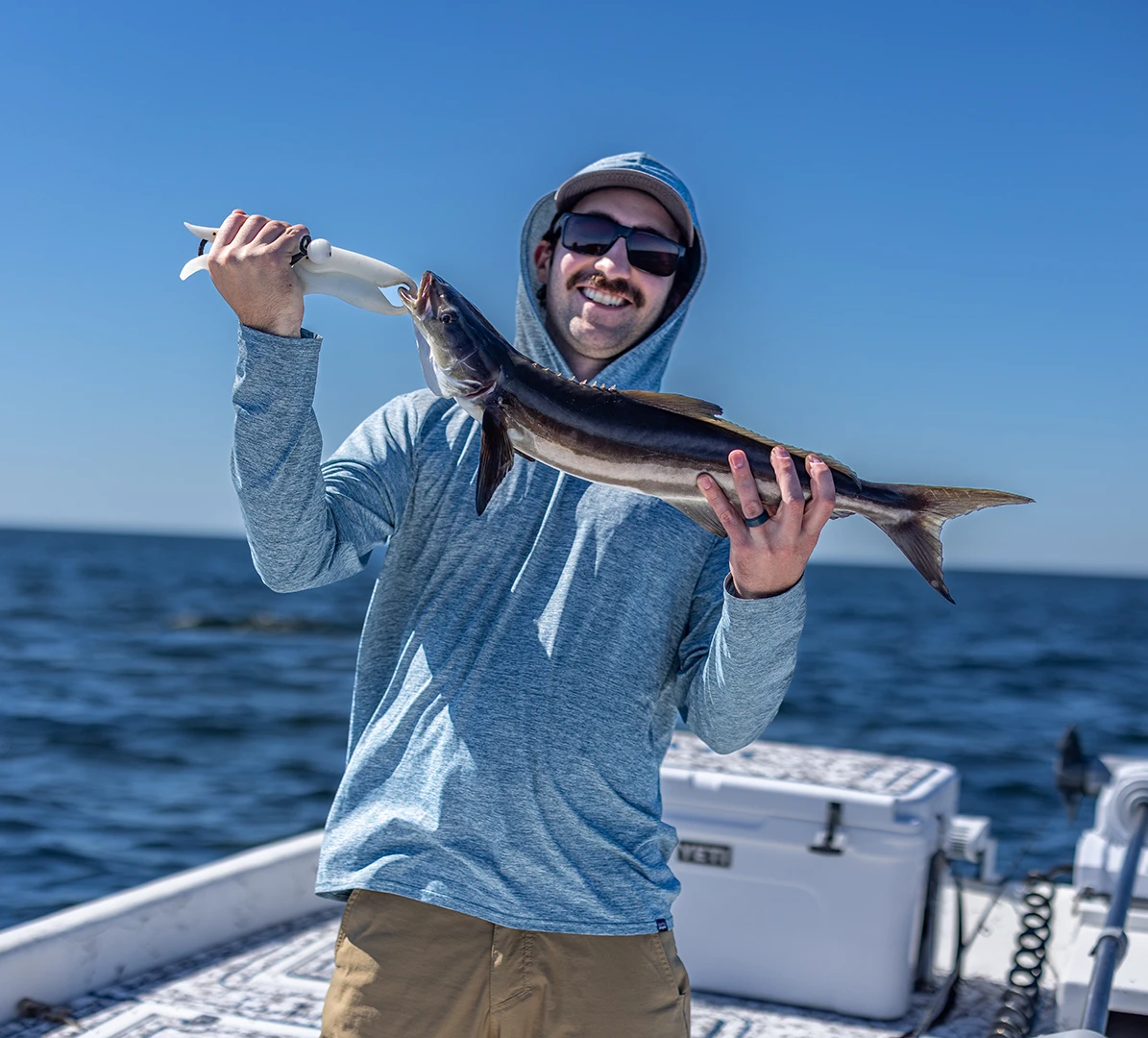
- Cobia – They’re one of the more common additional species offshore here. They show up around wrecks, markers, rock piles, and sometimes swim right up to the boat.
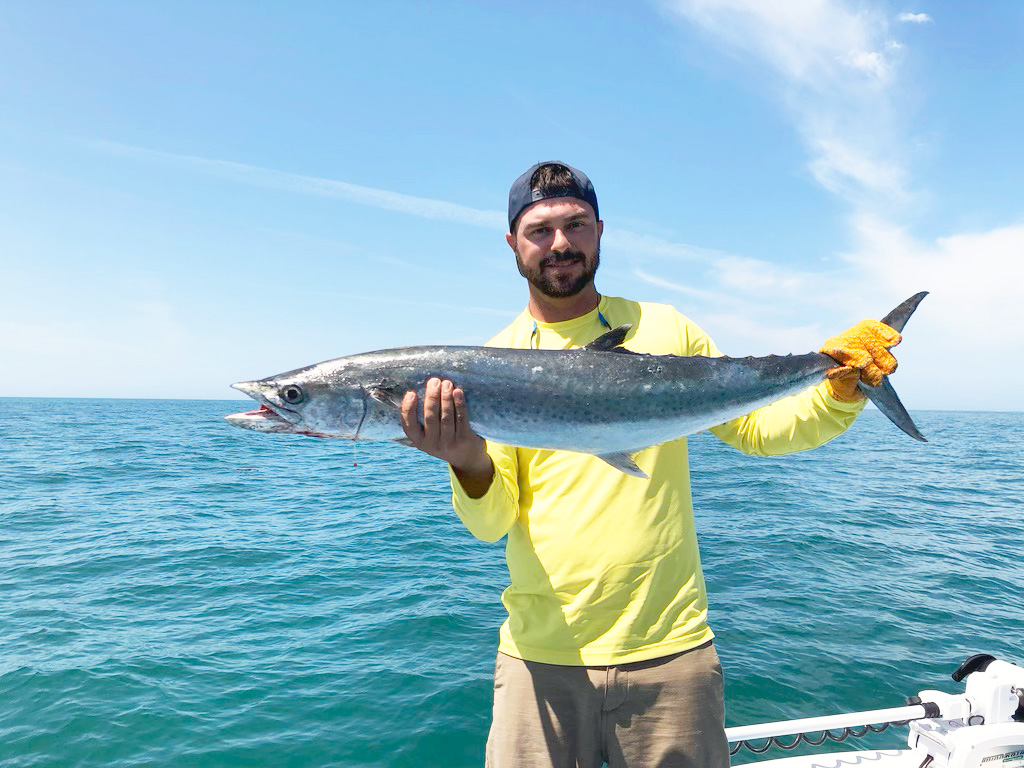
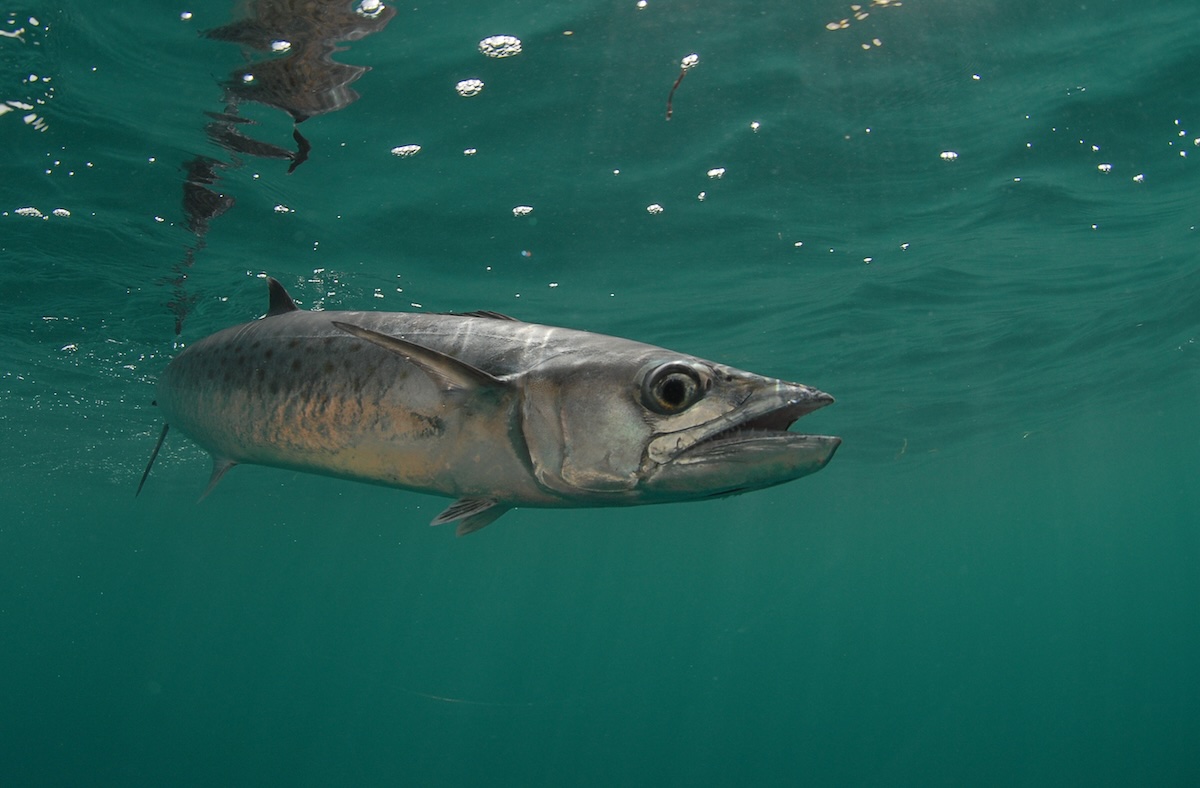
- King mackerel (kingfish) – Very common on the deeper runs, especially along bait lines and when water temps are right.
- Spanish mackerel – Show up around bait and hard bottom, often mixed in when kings are around.
- Amberjack (season-dependent) – Often caught on high relief structure and towers farther out.
- Triggerfish (season-dependent) – Common on hard bottom and rock piles, often mixed with snapper.
- Vermilion snapper – A regular catch on deeper bottom.
- Lane snapper – Another species often mixed into the snapper blend.
- Grunts / tomtates – Frequently show up on lighter bottom or when chumming.
- Bonito / Little Tunny – Occasionally show up offshore when bait is thick.
- Sharks – Various species when the bite is hot or when fishing over good structure.
Other species you should NOT expect offshore in Big Bend deep water:
- Spotted Seatrout – Strictly inshore. They don’t show up on the offshore ledges.
- Redfish – Inshore/nearshore species. Rare offshore unless you’re talking about a random roaming over-slot fish on a reef, but it’s not typical.
- Black drum – Almost entirely inshore or estuarine; not an offshore target.
- Sheepshead – Primarily inshore or nearshore on rock piles, jetties, and markers. Far offshore catches are possible but not considered part of the “offshore set.”
Offshore trips move through these zones throughout the day. Depth changes as the boat pushes farther towards deep sea waters, and the Big Bend’s slow slope means each shift brings new bottom—30 feet, then 40, then 50 and beyond as you run west from the Econfina or Steinhatchee lines. Current direction, drift speed, and how the marks appear on the sounder determine the approach at each stop.
Some ledges need a tight anchor set—others fish better on a slow controlled drift. When the marks are stacked neatly on the screen, the captain typically stays put. When they thin out, it’s time for the next waypoint.
Big Bend Offshore Runs
- Longer inshore transition: the coastline stays shallow for miles, so boats generally travel well past the flats before reaching productive offshore bottom.
- Run-out expectations: most captains plan for a solid ride before the bottom shifts into the ledges, limestone, and hard-bottom areas that hold grouper, snapper, and other offshore species.
- Typical offshore format: a longer run to the depth line, followed by a multi-stop session across structure, then a steady ride home once the boxes are filling and gear is rinsed and packed down.
- Day structure: extended travel on the front end, concentrated fishing once the boat settles on productive bottom, and a straightforward return when the main stops are finished.
Offshore Fishing Charters That Fit North Florida & The Big Bend
The offshore grounds west of Steinhatchee, Perry, St. Marks, and Lamont spread across a wide, lightly pressured section of the Gulf. Offshore fishing guides who work this region know how to read bottom transitions, how to sequence stops throughout the day, and how to use tide and weather windows to get the best results. Tallahassee groups will often make the drive down because the Big Bend offers space, structure, and lower traffic compared to more crowded Gulf regions.
Each trip ends the same way: back at the dock with the day’s work laid out, rods rinsed, and the captain talking through the better drops and the marks that held fish. For many groups, this becomes the part that brings everyone back the next season—same offshore grounds, new conditions, and a fresh run at the ledges.
Ready for the run offshore? Stay at Econfina Sporting Club and experience the Gulf the way it was meant to be fished. Click here to book.
